What biochar actually teaches us
A grounded look at biochar as a source of practical research questions, not sweeping claims, and what a small applied science team can learn from working with it in real conditions.

Biochar is often presented as a straightforward climate solution. Heat organic material in low oxygen, produce a stable form of carbon, place it in soil and claim long-term storage. The reality is more variable. Once you work with real feedstocks, small kilns and actual soils, you learn quickly that biochar is not a uniform material and its effects are not guaranteed. This variability is exactly why it is interesting.
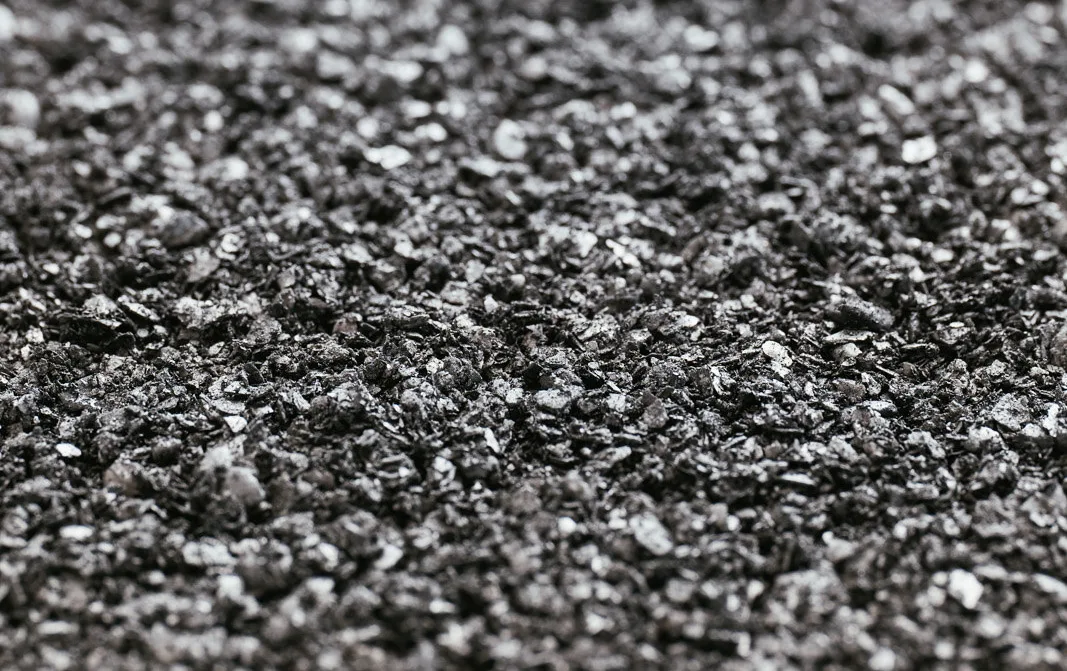
For a science team focused on supporting small projects, biochar is not a topic to evangelise. It is a practical test of how to measure impact in a way that respects context. The first lesson is that pyrolysis outputs vary more than promotional material suggests. Temperature profiles, residence time and feedstock composition produce very different chars. Some retain carbon well. Some produce unstable fractions that break down quickly. A sensible research programme starts with characterising this spread rather than assuming a single value.
The next lesson is in the soil itself. Soil response drives most of the benefit people care about, yet the response depends on texture, pH, moisture and existing organic matter. A light sandy soil behaves differently from a heavy clay. Some soils gain water retention and structure. Others show almost no response. These differences cannot be captured through generic claims. They require small trials that reflect local conditions.
Permanence is another area where claims tend to run ahead of evidence. Biochar is often described as stable for hundreds of years, which is true under some conditions and false under others. Moisture, microbial activity, erosion and tillage influence how much carbon stays in place. A realistic approach is to model permanence as a range rather than a fixed value and to treat that range as sensitive to practice, not inherent to the material.
There is also the matter of co-application. Biochar rarely performs best on its own. Many projects use it with compost, digestate or manure. These combinations matter because they influence nutrient availability, microbial activity and long-term soil behaviour. Exploring these interactions is a practical research topic. It is achievable with modest resources and produces insights that help real projects.
Local feedstock flows add another layer of interest. Vineyard prunings, orchard residues, municipal green waste and forestry offcuts behave differently under pyrolysis. Understanding these differences helps communities make informed decisions about whether biochar production makes sense for them. This is not theoretical work. It is a way of grounding sustainability in actual material streams rather than abstract models.
The most useful work a small science team can do in this space is to design simple, repeatable measurement protocols that communities can use. Soil moisture tracking, basic nutrient assays, bulk density changes, low-cost carbon stability tests and structured observation of crop response all produce data that improve decision making. The focus is not on certainty. It is on clarity.
All of this points to a broader lesson. Technologies like biochar reveal the need for climate methodologies that start with real environments and real materials. They show why top-down assumptions fail when applied to local contexts. They show why practical evidence matters more than theoretical potential. And they show how small interventions can be evaluated honestly if the methods are designed with care.
We do not need to claim that biochar is a universal solution. It is more useful to treat it as a case where measurement, context and good science determine whether it works at all. That is where the value lies.